According to my Backloggd recap, I played 73 games in 2025. Mind you, those are the ones I felt comfortable logging, meaning I either completed their main objective or spent enough time on them that I could confidently assess their value. Of those 73 games, 31 were released in 2025. The majority of content consumed, therefore, consisted of titles released in prior years. In this post, and in no particular order, I’ll highlight some of my favourite non-2025 games I played in 2025.
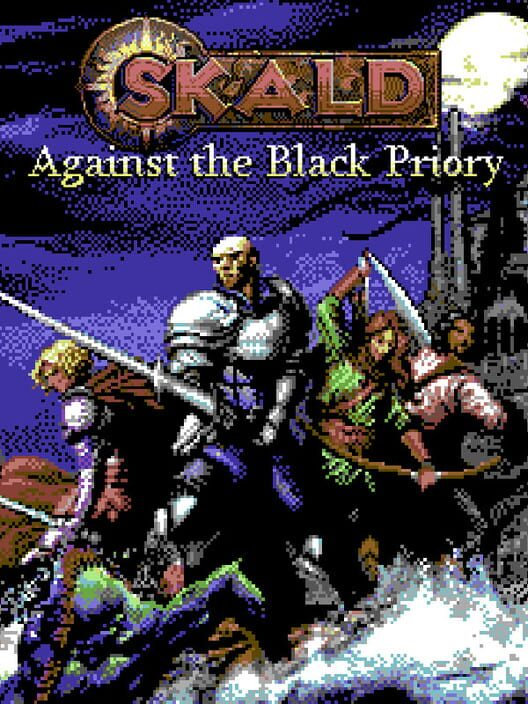
SKALD: Against the Black Priory (2024, High North Studios AS)
A classic, turn-based CRPG designed for those afraid of playing an actual classic, turn-based CRPG. I am curious about early adaptations or variations of tabletop games on computers. Heck, in 2025, I’ve read two books detailing the history of Richard Garriott’s seminal Ultima series. Yet, having seen long plays of those ’80s classics, their experience appears sufficiently archaic to refrain from engaging with it. Though I cannot therefore judge exactly how Skald measures up against its inspiration, the former does feel decidedly modern. Antiquated as it may appear, Skald delivers on its Eldritch ambitions. The game’s artwork vividly conveys the Lovecraftian themes and horrors of its narrative, an atmosphere further underscored by Romanus Surt’s brooding synth soundtrack.
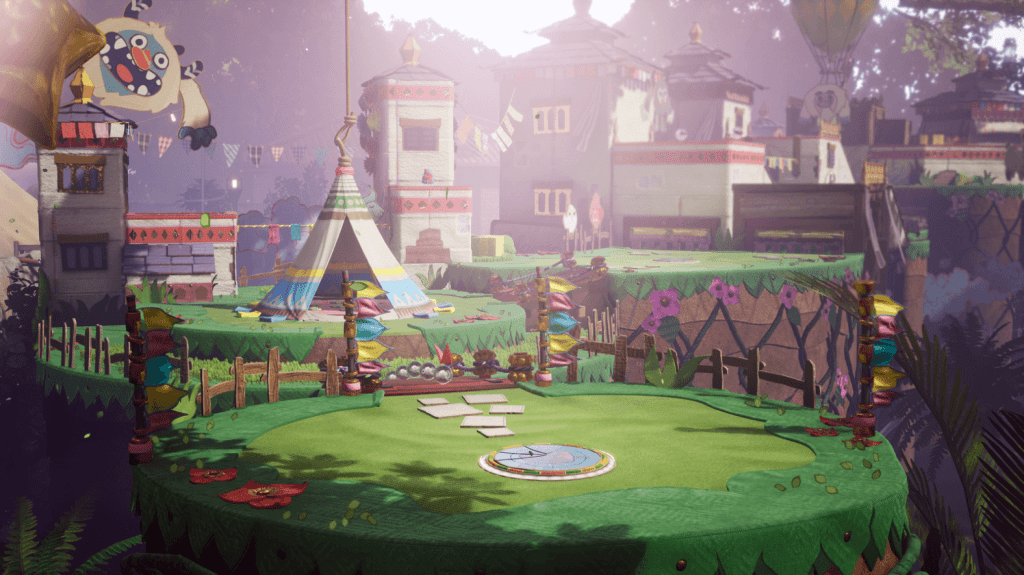
Sackboy: A Big Adventure (2023, Sumo Digital)
My surprise hit of the year. Though definitely not maligned, Sackboy’s PlayStation 5 debut wasn’t exactly met with critical exaltation. Though lacking the mechanical depth found in Mario’s galaxies or Astro Bot’s playrooms, A Big Adventure’s creativity lies in the rhythmic propulsion that characterises its level design. Set within a crafted world, cardboard cutouts and yarn ball figures jive on beat as Sackboy trudges along the stage. This marriage between score and movement testifies to Sumo Digital’s artistry.
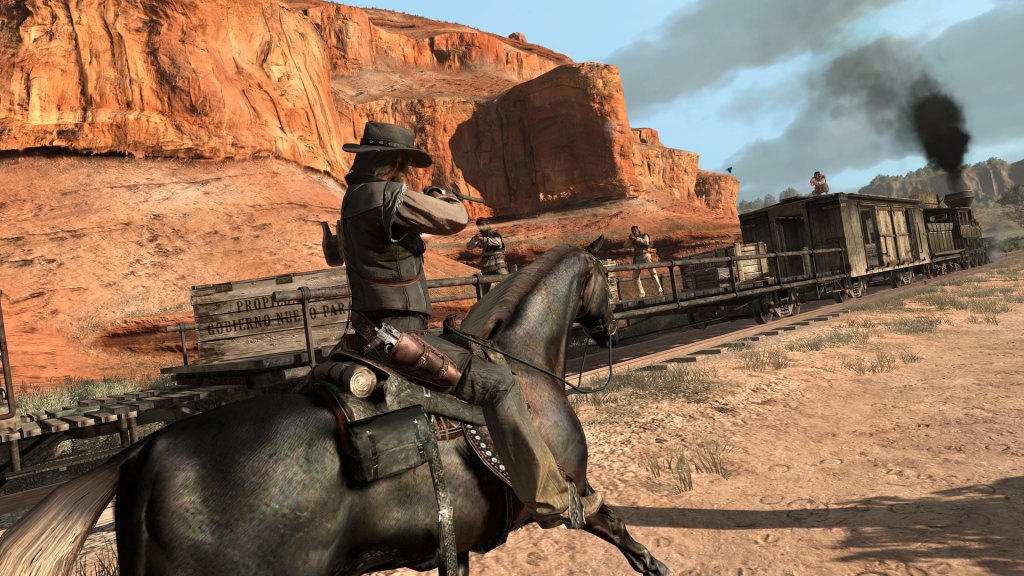
Red Dead Redemption (2010-2023, Rockstar Games)
I had forgotten and underestimated, stupidly so, how good Rockstar is at worldbuilding. Admittedly, Red Dead Redemption does not necessarily add to the Western canon. Rather, it is a composite shot of all those elements we come to expect of the genre. In that sense, Red Dead was my cinematic, childlike imagination of the cowboy life brought to life. Moreover, unlike its sequel, which I might revisit in 2026, there is little mechanical bloat here. Though Red Dead’s sophomore outing trumps the original in choice and immersion, I felt the former was overwhelming in areas the latter is not. Red Dead Redemption has an arcade-like sensitivity that keeps the gameplay momentum in pace with its story beats. As far as big-budget titles go, this 2010 title stands among the greatest. Though I have hitched my virtual horse, my fascination with this title continues as I read Matt Margani’s critical analysis of its development and setting.
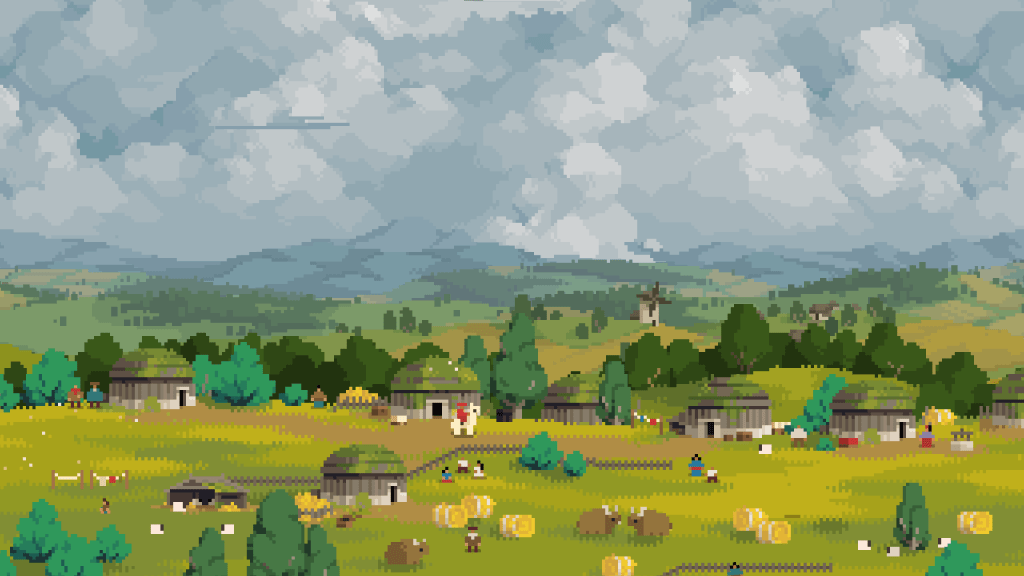
Arco (2024, Franek Nowotniak, José Ramón García López (Bibiki), Antonio Uribe (Fayer), Max Cahill)
Like Red Dead, Arco is a modern Western. And like the former, Arco is a family story. Yet, comparisons between the two might end there. Arco’s narrative structure is explicitly anti-capitalist and anti-colonialist. While Red Dead Redemption does not remain silent regarding the atrocities committed by the settler colonial movement, for the title’s protagonist, the ends ultimately justify the means. Hence, he is perfectly willing to participate in them. John Marston remains an ambivalent onlooker, content to maintain the status quo as long as his family’s future can be preserved. Marston’s attitude and demise reflect our own complicity. In contrast, Arco’s climax builds toward the complete destruction of those who seek reward through stolen land. A power fantasy visualised in practical minimalism, its conclusion stands: logics and structures of violence must face complete abolition.
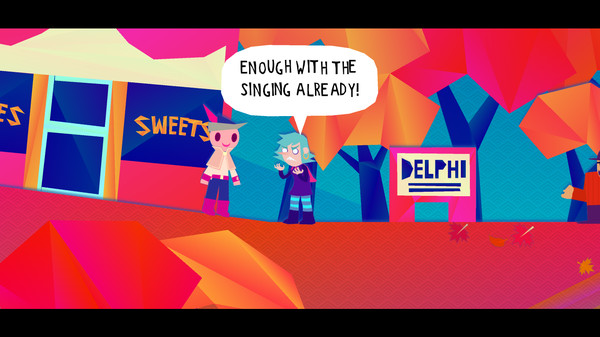
Wandersong (2018, Wishes Ultd.)
With its directorial vision reminiscent of avant-garde and Czechoslovak New Wave animation, it was Wandersong’s crafted aesthetics that drew me in. Once inside its wonderfully curated world, my interactions with its inhabitants were equally colourful. The writing was clever: genuinely witty and sharp in its political commentary, qualities further reinforced by the characters’ vivid expressions. Adding to its anti-capitalist critique was my having named my character Pleb. Gameplay-wise, there’s an organic delay between the player’s input and the bard’s voice. That might sound odd for a game whose set pieces comprise musical acts. Yet, this disconnect smartly adds to the naivety and perseverance of its unlikely hero. Drawing from its medium’s strengths, this fairy tale deserves to be retold.
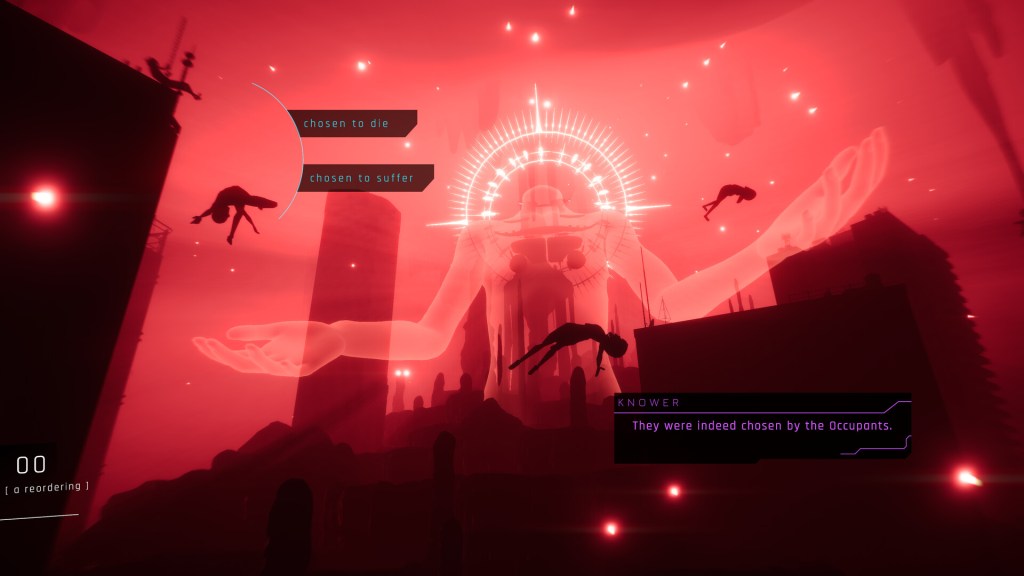
1000XRESIST (2024, sunset visitor 斜陽過客)
I capped off 2025 playing last year’s indie darling 1000XRESIST. Tackling complex themes of parenthood and longing during times of forced isolation and migration within and against structures of religiosity and oppression, this impressive debut demands that its interweaving social and political narratives and meanings be uncovered and reflected upon. 1000xRESIST sits alongside Evangelion and Ghost in the Shell as media that I have consumed, immediately adored, but barely processed. It was deserving of all the praise it got.
 Coded Mass
Leave a comment